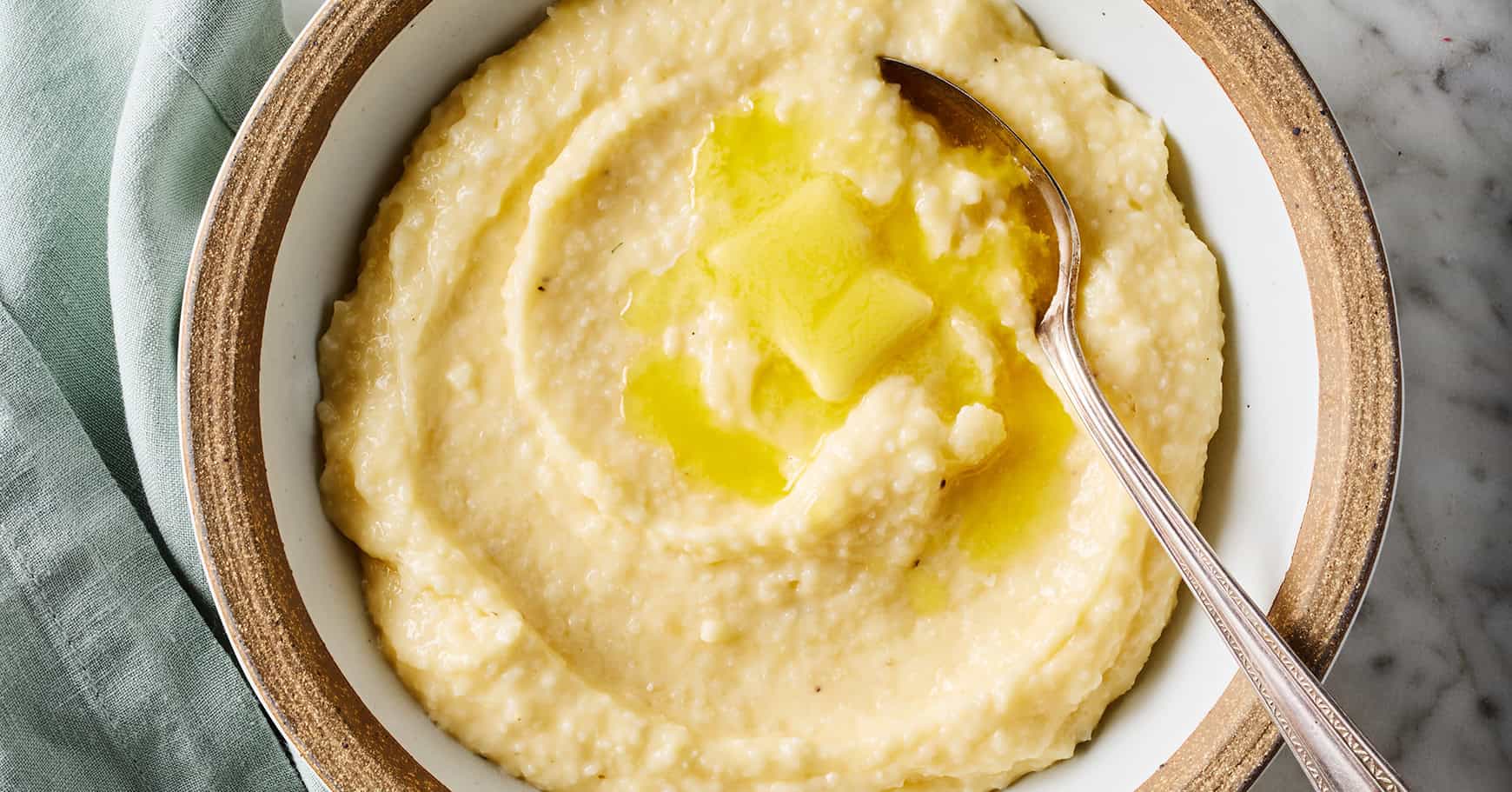
Master Creamy Grits: Whisking, Low Heat & Key Ingredients for the Perfect Bowl
There's a certain soulful satisfaction that comes with a perfectly prepared bowl of creamy grits. More than just a breakfast staple in the South, this versatile dish of coarsely ground corn has captivated palates for centuries, offering a comforting canvas for a myriad of flavors. If you've ever dreamt of achieving that impossibly smooth, rich, and deeply flavorful texture, you're in the right place. This comprehensive guide will walk you through the essential steps, key ingredients, and expert techniques to transform humble corn into a culinary masterpiece. Forget bland or lumpy versions; we're diving deep into a time-tested **grits recipe** inspired by Southern kitchen masters, including insights from chefs who've spent decades perfecting the art.
The Foundation of Flavor: Choosing Your Grits & Liquid
The journey to exceptional grits begins long before the first whisk. Selecting the right ingredients sets the stage for unparalleled taste and texture.
Stone-Ground vs. Other Varieties
For the truly best grits experience, stone-ground grits are non-negotiable. Unlike their quick-cooking or instant counterparts, which are often degerminated and processed for speed, stone-ground grits retain the flavorful corn germ and a coarser, more irregular grind. This allows them to slowly absorb liquid, releasing starches gradually, and developing a far richer, more complex corn flavor and an incredibly creamy, almost silken texture. While quick grits have their place for convenience, once you taste the difference that stone-ground varieties like those from Bob's Red Mill offer, you'll understand why patience is a virtue here.
The Liquid Dilemma: Water vs. Stock
The liquid you choose plays a crucial role in the final flavor profile of your grits.
- For Breakfast Grits: Pure, filtered water is often all you need. It allows the natural corn flavor to shine through, especially if you plan to add sweet toppings or enjoy them as a simple side.
- For Savory or Dinner Grits: Chicken stock (or a good quality vegetable stock) is a game-changer. It infuses the grits with a foundational layer of savory depth, making them an ideal accompaniment to heartier meals like grilled meats, fish, or the classic shrimp and grits. This small swap significantly elevates the dish, turning it into something truly special.
Unlocking Unrivaled Creaminess: Chef Richard's Techniques
At the heart of any truly great **grits recipe** are the techniques that coax out maximum flavor and an irresistibly creamy consistency. Inspired by Chef Richard's two decades of dedication to the craft, these methods are foolproof. For even more secrets from the pros, don't miss
Chef Richard's Secret: Unlock the Creamiest Southern Grits.
The Whisking Waltz: Banishing Lumps
Lumpy grits are a common pitfall, but easily avoided with the right approach. The key is in the initial introduction of the grits to the liquid.
- Boil Your Liquid: Start by bringing your chosen liquid (water or stock) to a rolling boil in a medium to large saucepan. This ensures immediate cooking and prevents the grits from clumping.
- Slow and Steady Stream: Gradually, and in a very slow, steady stream, whisk the grits into the boiling liquid. This controlled addition allows each grit particle to hydrate individually, preventing them from sticking together.
- Continuous Whisking: Continue whisking vigorously for at least 2 minutes after all the grits have been added. This initial burst of agitation helps to activate and release the starches, contributing significantly to that coveted creamy texture and further ensuring a lump-free start.
Low & Slow: The Gentle Simmer
After the initial whisking, the cooking process shifts to a gentle simmer – this is where the magic truly happens.
- Reduce Heat to Low: Once your grits are smoothly incorporated, reduce the heat to the lowest setting. The goal is a gentle simmer, not a vigorous boil, which can lead to scorching and splattering.
- The Patient Cook: Let the grits simmer gently, uncovered, for about 20-30 minutes, sometimes longer depending on the brand of stone-ground grits. Quick-cooking grits will be done faster, but stone-ground need their time.
- Occasional Whisking: Whisk occasionally throughout this simmering period, especially towards the bottom, to prevent sticking and ensure even cooking. This slow, gradual cooking allows the grits to fully absorb the liquid and soften into their creamy state. If the grits start to thicken too much too quickly, you can add a splash of hot liquid.
The Power Trio: Butter, Cream, and Seasoning
These aren't optional additions; they are fundamental to creating truly exceptional grits.
- Butter is King: As many Southern cooks will attest, butter is absolutely essential. A generous knob of unsalted butter stirred in towards the end of cooking not only adds incredible richness but also contributes to the velvety texture. It coats the starch particles, enhancing the mouthfeel and overall flavor. Don't be shy – a good amount of butter is what separates good grits from unforgettable grits.
- A Splash of Cream: For an even more indulgent, ultra-creamy consistency, a splash of heavy cream (or half-and-half) can be stirred in just before serving. It elevates the richness without overpowering the delicate corn flavor.
- Salt and Pepper: These humble seasonings are surprisingly crucial. Salt brings out and amplifies the natural sweetness of the corn and the richness of the butter and cream. Taste and adjust until the flavor truly "pops." Freshly ground black pepper adds a subtle warmth and a gentle bite that perfectly complements the creamy base – a trick learned from seasoned Southern chefs. Don't underestimate its impact!
- Optional Cheese: For cheesy grits, stir in shredded cheddar, Monterey Jack, or a blend of your favorite melting cheeses (about 1/2 to 1 cup per 4 cups of cooked grits) while the grits are still hot. Stir until melted and smooth.
Mastering the Perfect Consistency & Serving Your Grits
The beauty of a perfect **grits recipe** lies not just in its flavor but also its adaptability. Understanding how to manage consistency and explore serving options will truly elevate your grits game.
Adjusting on the Fly
Grits have a tendency to thicken significantly as they cool. Don't fret if your perfectly creamy grits become a dense block after sitting for a few minutes.
- Too Thick: If your grits have become too thick, simply stir in a splash of hot water, milk, or stock (depending on your desired flavor profile) until they reach your preferred smooth, creamy consistency. Reheat gently if needed.
- Too Thin: If your grits are a bit too runny, continue simmering them gently over low heat, uncovered, allowing some of the excess liquid to evaporate, until they thicken to your liking. Remember to stir occasionally.
Beyond the Bowl: Creative Serving Ideas
Grits are incredibly versatile, moving effortlessly from breakfast tables to elegant dinner plates.
- Breakfast Classics: Pair them with poached, fried, or scrambled eggs, crispy bacon, or savory sausage. A dash of hot sauce is always a welcome addition for those who enjoy a little kick.
- Sweet Variations: While often enjoyed savory, many adore grits with a touch of sweetness. Try them topped with a dollop of honey butter, a spoonful of apple butter, or a sprinkle of brown sugar.
- The Quintessential Dinner Dish: One of the most iconic Southern preparations is Shrimp and Grits, featuring perfectly cooked shrimp in a rich, often spiced, savory sauce spooned over a bed of creamy grits. For more ideas on how to transform grits into a show-stopping dinner, check out Beyond Breakfast: Mastering Grits for Dinner & Shrimp.
- Versatile Side Dish: Creamy grits make an excellent accompaniment to a wide range of main courses. Serve them alongside grilled chicken, pan-seared salmon, braised beef short ribs, or even a simple piece of baked fish. Their subtle corn flavor and comforting texture complement almost anything.
Conclusion
Mastering the perfect bowl of creamy grits is a culinary journey that rewards patience and attention to detail. By selecting quality stone-ground grits, understanding the power of a proper liquid, embracing whisking and low-and-slow cooking techniques, and finishing with essential ingredients like butter, cream, and thoughtful seasoning, you can create a dish that is deeply satisfying and endlessly versatile. This isn't just a **grits recipe**; it's an invitation to experience a true Southern comfort food staple in its most sublime form. So gather your ingredients, fire up the stove, and prepare to be delighted by the rich, creamy goodness you're about to create.